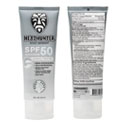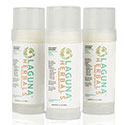








Biodegradable sunscreen is the only type of sunscreen that is allowed on any snorkeling tour, scuba diving trip, or other water activity inside Cozumel's protected marine park, or at the major parks like Chankanaab, Xcaret, Xel Ha, and Garrafon. This is not our rule, it is federal regulation, and it is enforced. Make sure you plan for this when coming to Cozumel.
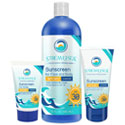
We recommend Stream 2 Sea, because it is safe for saltwater, freshwater fish, saltwaterfish, coral and does not affect the natural behavious of maritime species. It also says "EcoConscious and Biodegradable" on the front label, so it is easy to prove to the parks that it is in fact biodegradable - no hassles with trying to prove it to them. However, there are several other kinds available that are good as well. See the boxes in the right column for ideas.
Q: What is biodegradable sunscreen?
A: Biodegradable sunblock is environmentally friendly sunscreen that lacks the harmful ingredients that are destroying the world's coral reefs. These sunscreens are biodegradable, meaning they break down naturally in the environment, and eco-friendly, meaning that they minimize damage to the environment. We strongly encourage using only biodegradable sunscreen anytime you are going to be in the water.
Q: How do I know if my sunscreen
is biodegradable?
A: If it doesn't say it is on the package then it isn't. None of the major brands are biodegradable - such as Coppertone, Banana Boat, No-Ad, etc.
Q: Are there certain
ingredients to watch out for?
A: Some of the most harmful ingredients that many sunscreens contain, including some that are actually biodegradable such as those made by Nature's Gate, are PABA, octinoxate, oxybenzone, 4-methylbenzylidene camphor and the preservative butylparaben. If your sunscreen has any of these ingredients, it is not safe for use on the reefs.
Q: What kind of damage does
sunscreen do to the marine ecosystem?
A: One of the most harmful things to the natural underwater environment of Mexico and elsewhere is the sunscreens, oils, and sunblocks worn by tourists. We don't think of it, but when we swim in the water, these oils come off and settle on the coral reefs and other marine life, and in volume can almost act like an oil slick in the water, creating damage to the delicate ecosystems. The reefs are suffocated, and sunscreens are one of the biggest causes of bleaching to our reefs, and the death of much of the world's coral. In addition, they promote viral growth and sunscreens containing oxybenzone have been shown to actually feminize fish!
Q: Why does coral get
bleached? Is coral bleaching really a problem?
A: The ingredients in normal sunscreens promote viral infection in the coral, as well as covering it with oils and goo. Between 4,000 and 6,000 tons of sunscreen wash off swimmers every year on their vacations. As much as 25% of the world's coral reefs are in imminent danger of collapse due to human pressures, and another 25% is in longer term danger.
Q: I've never heard of this
before. Are you making this stuff up?
A: See the links below for the latest information.
Science Daily:
Sunscreen & Cosmetics Compound harm Coral
National Parks Service:
Protect Yourself and Protect the Reef
National Geographic:
Sunscreen Destroying Coral Reefs
Sustainable Travel International:
Safe Sunscreen for Coral Reefs
ABC News:
Sunscreen Accelerating Demise of Coral Reefs
Q: Where can I buy
Biodegradable Sunscreen?
A: We've provided some resources for you in the right hand column. Just click on the images to read more about the products. You may also find some brands at your local health food store, or at select shops in Cozumel (though it is still not widely carried and the brands that carry it usually carry brands that are not recommended by Cozumel Tours).
|
STREAM 2 SEA |
|
OUR CHOICE! |
|
BEAUTY BY EARTH |
|
CORAL SAFE |
|
MEXITAN |
|
HEADHUNTER SURF |
|
LAGUNA HERBALS |


|

|

|

|

|
|